
Treating Crew Health as a Core Operational KPI: VIKAND Calls for Action on World Health Day
April 7, 2025 – On this World Health Day, maritime healthcare provider VIKAND is calling for a shift in how the shipping industry measures performance, by treating crew health and wellbeing as a core Key Performance Indicator (KPI).
Embedding healthcare into KPI frameworks enables shipowners and operators to proactively monitor, benchmark, and improve crew health. By tracking wellbeing indicators, companies can generate actionable insights that reduce illness, injury, and emergency disembarkations and repatriations, improving both safety and operational continuity.
Healthcare KPIs allow operators to identify risks early and act before they escalate, and data gathered from VIKAND partnerships demonstrates how this approach drives meaningful safety and operational improvements.
Without measurement, there is no solid foundation for meaningful improvement. Clear, consistent health metrics are essential to identify risks, track trends, and guide targeted interventions that deliver measurable results.
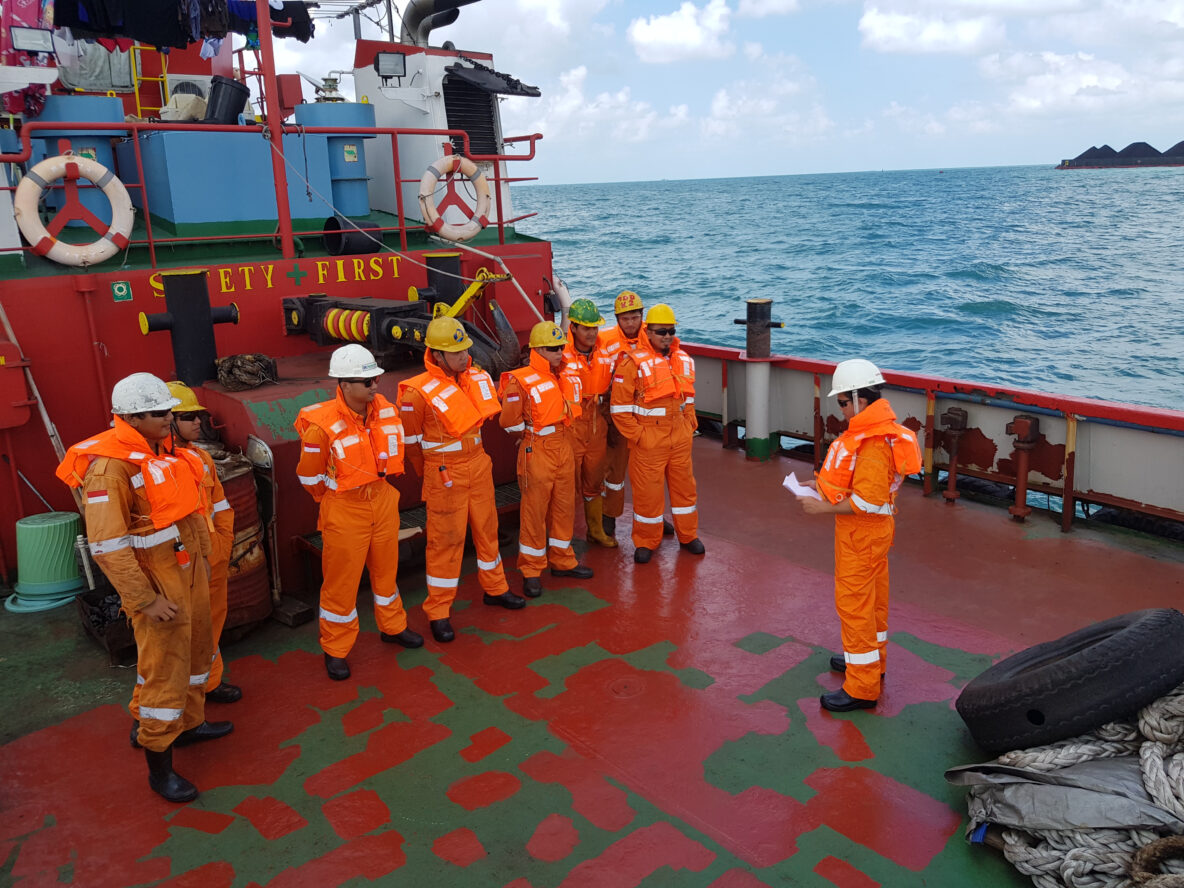
For example, within one OneHealth by VIKAND programme, data suggested a higher rate of eye and hand injuries across an operator’s fleet compared with similar operations, pointing to gaps in Personal Protective Equipment (PPE) adherence. In response, the operator strengthened PPE protocols and introduced targeted safety briefings, reducing preventable injuries, operational disruption, and crew downtime.
VIKAND has found throughout engagements with its partners that high injury frequency, even with low disembarkations, impacts crew wellbeing, morale, and productivity, therefore continuous attention helps identify and address these underlying issues early.
Recent data also highlights the urgency of prioritising crew welfare. The 2025 Gard Crew Claims Report showed a 25% rise in seafarer deaths between 2022 and 2024 compared with 2019–2021, while suicides in 2024 exceeded fatal incidents.
Illnesses commonly include fatigue, cardiovascular and gastrointestinal issues, musculoskeletal strain, and psychological stress, often driven by irregular hours and demanding onboard conditions. Younger crew members are particularly vulnerable, highlighting the need for proactive support systems.
Global research supports the operational value of wellbeing. A study of over 13,000 seafarers from 154 nationalities and 44 companies [1] found strong links between wellbeing, satisfaction, and onboard conditions, concluding that prioritising wellbeing improves both retention and safety.
The World Economic Forum, with WTW, also highlights the importance of measuring human capital as a strategic asset, shifting from viewing people as a cost to recognising their value to performance and resilience. This is an approach VIKAND has long advocated for.
“Seafarers are the lifeblood of maritime operations and when we invest in their health and wellbeing, we are not only protecting lives, we are strengthening operational resilience,” said Ronald Spithout, Managing Director, OneHealth by VIKAND. “Crew wellbeing is a measurable, strategic asset that directly influences safety, performance, and retention.”
VIKAND is urging the industry to move from reactive welfare to proactive, design-led wellbeing, embedding health into operations, monitoring real-time indicators, enabling telehealth and mental health support, and equipping leadership to manage psychosocial risks.
“The best operators anticipate risk before it becomes an incident,” added Mr Spithout. “Proactive healthcare frameworks allow companies to manage both human and operational performance together.”
Strong healthcare frameworks improve safety, collaboration, and early issue reporting, while better wellbeing correlates with fewer incidents, less disruption, and higher retention, creating safer, more efficient operations.
On this World Health Day, VIKAND calls on the industry to treat crew health as a measurable KPI, systematically analyse crew feedback, and integrate preventive wellbeing into safety and operational frameworks, recognising healthcare as a strategic investment.
“The industry has long measured vessel performance and it’s time to measure what matters most, the people operating them,” concluded Mr Spithout.
[1] “Wellbeing and Happiness and Their Association With Working Conditions at Sea: A Cross-sectional Study Among the Global Workforce of Seafarers” by Rebecca Hayes-Mejia and Martin Stafström, published in PMC.
RECENT ARTICLES
Strengthening Clinical Governance and Operational Excellence in Maritime Healthcare, by Dr. Shanavas Puzhangattil
July 29, 20268 Ways to Strengthen Cardiovascular Health at Sea
July 29, 2026For Heart Emergencies at Sea, Every Minute Counts
July 29, 2026Keeping the Hantavirus Risk in Perspective
May 31, 2026
Subscribe to our VIKAND Pulse to receive the latest maritime healthcare news from VIKAND sent right to your inbox
Subscribe to our VIKAND Pulse to receive the latest maritime healthcare news from VIKAND sent right to your inbox
Subscribe to our VIKAND Pulse to receive the latest maritime healthcare news from VIKAND sent right to your inbox
Subscribe to our VIKAND Pulse to receive the latest maritime healthcare news from VIKAND sent right to your inbox