


Exploring 2025 Maritime Medical Emergency Trends from VIKAND Insights
Insights from a Year of Medical Emergencies at Sea
Delivering better medical care at sea begins with understanding the unique healthcare challenges faced onboard. VIKAND’s Case Management division manages thousands of incidents each year, providing valuable insight into the causes and outcomes of health events among crew and guests.
We recently analysed our 2025 case management data to better understand the drivers of crew medical emergencies, diagnostic trends and emerging patterns. The insights below relate specifically to crew members and are presented at a top-line level to support clear analysis and practical conclusions.
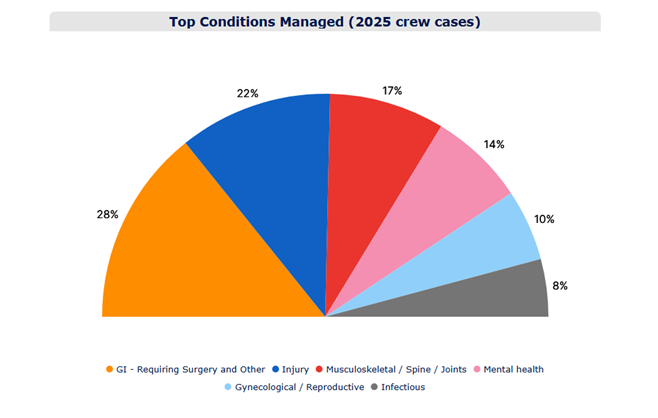
Top Diagnosis Categories for 2025
Among 2025 crew case management records, the leading diagnosis categories were:
- Gastrointestinal - requiring surgery and other GI related issues
- Injuries (both accidental and occupational injury)
- Musculoskeletal, spine and joint conditions
- Mental health
- Gynaecological and reproductive conditions
Injuries
Injuries, particularly occupational injuries, continue to represent a significant proportion of cases.
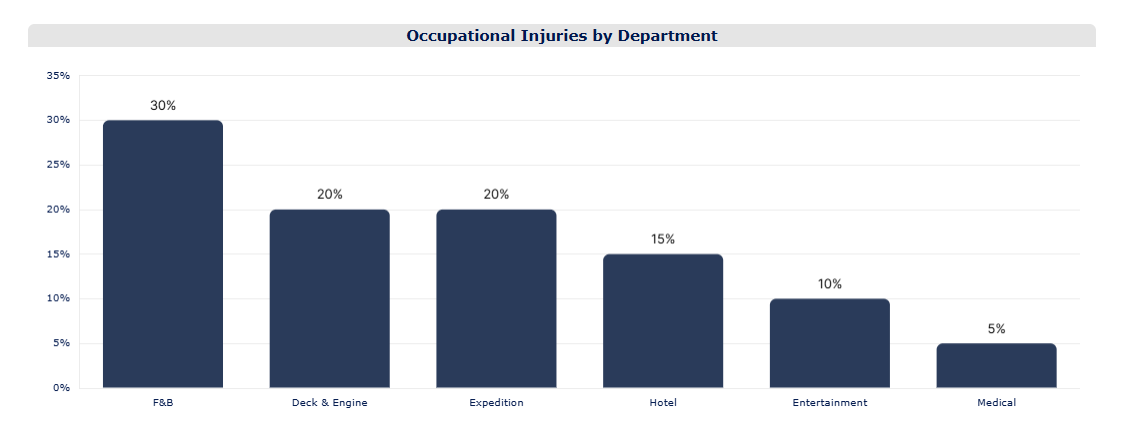
Most incidents were concentrated within three departments: food and beverage, deck and engine, and expedition. Food and beverage saw the largest share, with an increase of nearly 10% compared to the previous year. Hotel operations also recorded an increase, while expedition-related injuries declined.
The data reinforces that many of these incidents are linked to role-specific activity and remain, in part, preventable through targeted operational and safety measures.
Gastrointestinal Conditions Requiring Surgery
Gastrointestinal emergencies requiring surgery remain a consistent driver of medical disembarkation.
These cases are often linked to underlying conditions that have not been identified prior to embarkation. In some instances, the demands of working at sea contribute to the onset or escalation of symptoms, highlighting the importance of robust pre-employment screening and ongoing monitoring.
Musculoskeletal, Spine and Joint Conditions
Musculoskeletal conditions remain broadly consistent with 2024 levels.
These cases are typically associated with repetitive strain, physical workload and role-specific demands. While not always acute, they continue to impact performance and, in some cases, lead to disembarkation if not managed early.
Mental Health
Mental health continues to represent a growing proportion of medical cases. This increase is linked in part to improved awareness, stronger reporting pathways and greater willingness among crew to seek support. At the same time, it reflects the genuine impact of work-related and personal stressors within the maritime environment.
Encouragingly, improvements in onboard care and access to specialist support, including telehealth, have contributed to better management of both physical and mental health conditions.
How 2025 compared to previous years
Examining emergency trends from 2022 to 2025 reveals a few important patterns:
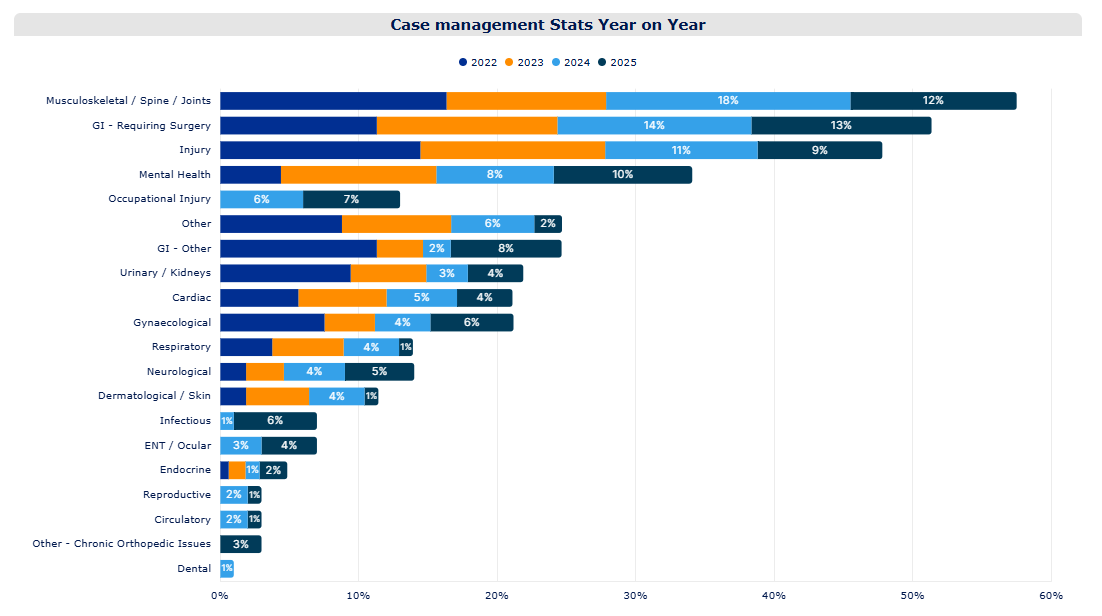
The year-on-year data shows that musculoskeletal, spine, and joint issues consistently make up the largest share of cases, highlighting the ongoing physical demands placed on maritime crews. Injury related conditions and GI surgical cases remain significant but show signs of improvement in the most recent year, while mental health cases continue to rise gradually, reflecting growing awareness and reporting across the industry.
Midlevel categories such as occupational injuries, urinary or kidney issues, and cardiac cases remain stable, and smaller categories; including dermatological, infectious, endocrine, and ENT cases persist year after year. Together, the data points to a workforce still heavily influenced by physically demanding roles, with a growing need for early intervention, preventive care, and mental health support to manage overall health risks more effectively at sea.
Trends in Medical Issues and Disembarkation
While overall case volume has increased alongside client growth, there has been a reduction in crew disembarkations.
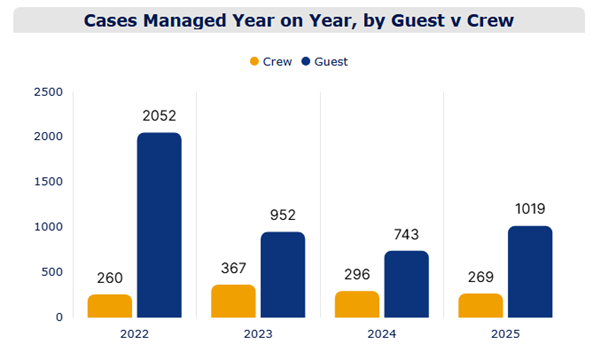
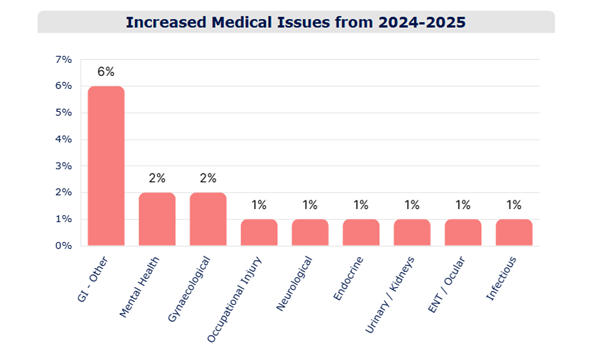
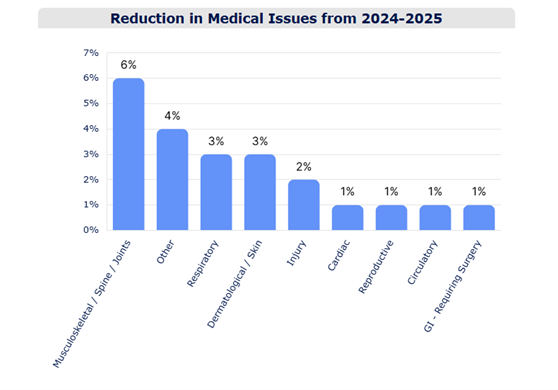
This shift reflects stronger pre-employment medical evaluations, improved onboard clinical management and a greater emphasis on treating cases onboard where appropriate. Strengthened PEME processes have also helped identify and mitigate underlying conditions earlier.
At the same time, enhanced access to specialist care has supported reductions in disembarkations linked to injuries, cardiovascular and dermatological conditions.
Mental Health Insights and Psychological Assessments
To better understand the rise in mental health cases, we reviewed crew psychological assessments, including both diagnoses and outcomes.
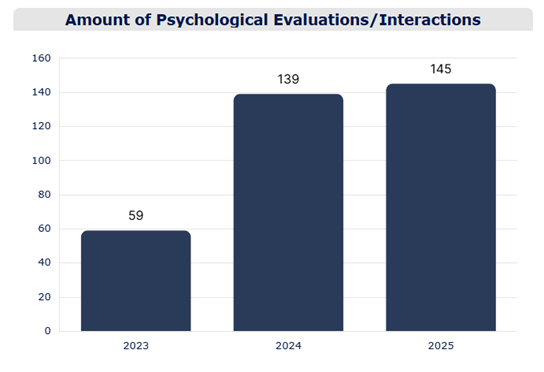
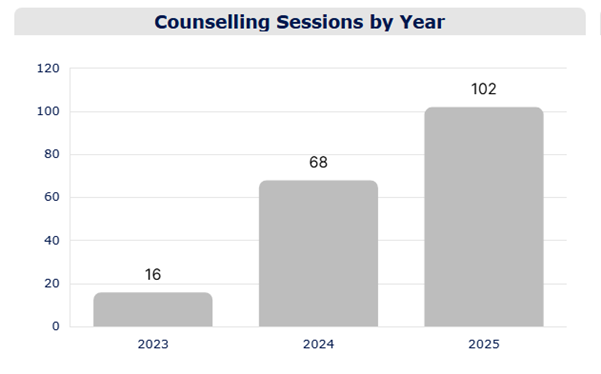
The number of psychological interactions has increased steadily over time. This reflects a more proactive and preventative approach, with greater engagement between crew and clinical teams.
There has been a notable increase in counselling sessions, indicating earlier intervention and a shift away from reactive care.
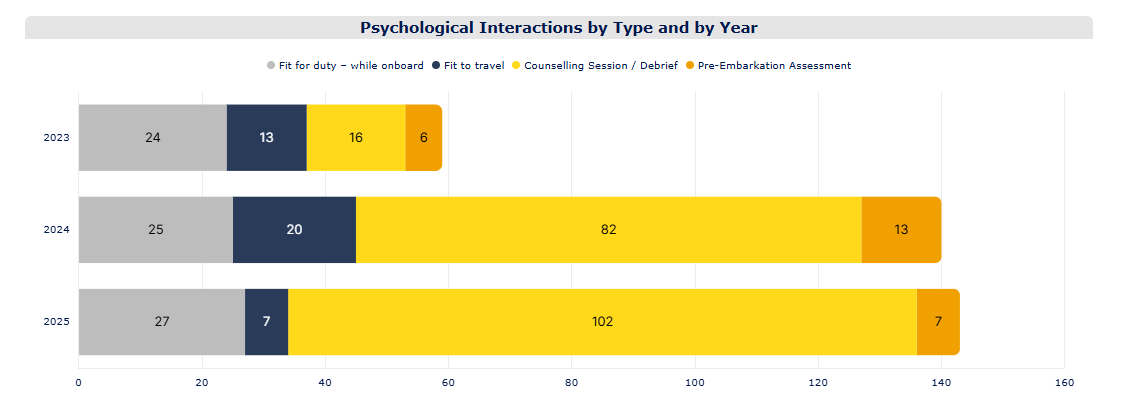
Historically, crew members experiencing mental health challenges were more likely to be disembarked and referred for follow-up care ashore. In many cases, this resulted in treatment pathways that limited their ability to return to work.
The current approach focuses on early support, with counselling and intervention provided before issues escalate. This enables safer outcomes for crew and more sustainable workforce management.
Psychological Assessment Outcomes
Assessment outcomes show a clear shift towards earlier intervention and improved stability.
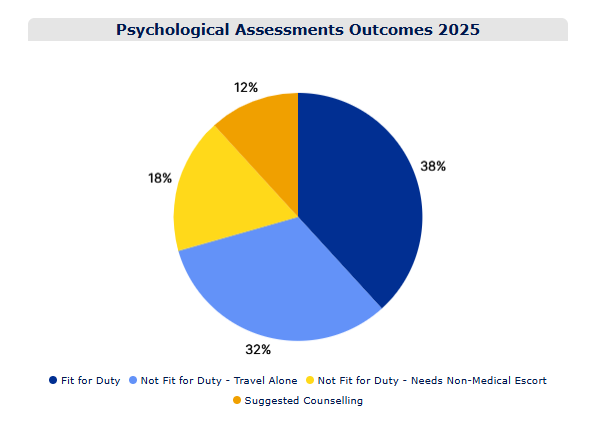
Cases classified as “not fit for duty” are now further segmented into those able to travel independently, those requiring non-medical escort and those requiring medical escort.
There has been a significant increase in crew assessed as fit to travel independently, indicating that individuals are being supported before reaching a critical state. At the same time, cases requiring escort have decreased.
This trend reflects the impact of preventative care, stronger PEME processes and increased access to counselling and psychological support.
Drivers of Mental Health Cases
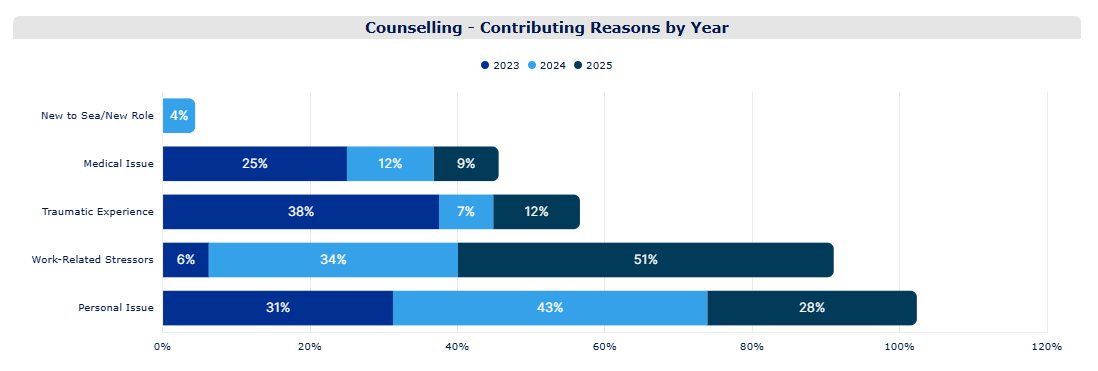
Work-related stress and personal issues remain the primary drivers behind stress-related diagnoses, consistent with previous years.
However, the data also highlights contributing factors such as undeclared medical history, prior difficulty managing work-related stress and pre-existing mental health conditions.
Additional triggers include adjustment challenges for crew new to sea or new to role, as well as underlying medical conditions that may exacerbate stress responses.
Counselling and Preventative Care
The increase in counselling sessions supports the broader shift towards early intervention.
It also highlights gaps in traditional hiring processes, particularly the limited use of psychometric assessment. While crew may meet technical requirements, additional evaluation can help determine their suitability for the unique psychological and environmental demands of life at sea.
Cultural differences also play a role in how mental health is understood and addressed. Expectations vary between individual responsibility and employer-led support, reinforcing the need for structured, accessible programmes.
VIKAND’s approach focuses on proactive support through wellness programmes and preventative care, helping to build resilience, reduce acute stress reactions and minimise the need for medical disembarkation.
VIKAND Case Management
Medical emergencies can arise at any time. When a crew member or guest requires shoreside treatment or hospitalisation, maritime operators rely on experienced case management support.
VIKAND’s Case Management team provides 24/7 coordination, reporting and clinical oversight for medical events worldwide. Our teams manage thousands of cases each year and bring deep maritime expertise, ensuring care is delivered with a clear understanding of the operational realities at sea. To learn more, visit vikand.com/case-management