

The Pain Crew Members Can’t Afford to Ignore
Musculoskeletal conditions are a leading cause of crew repatriation, but earlier reporting and clinical support can change outcomes
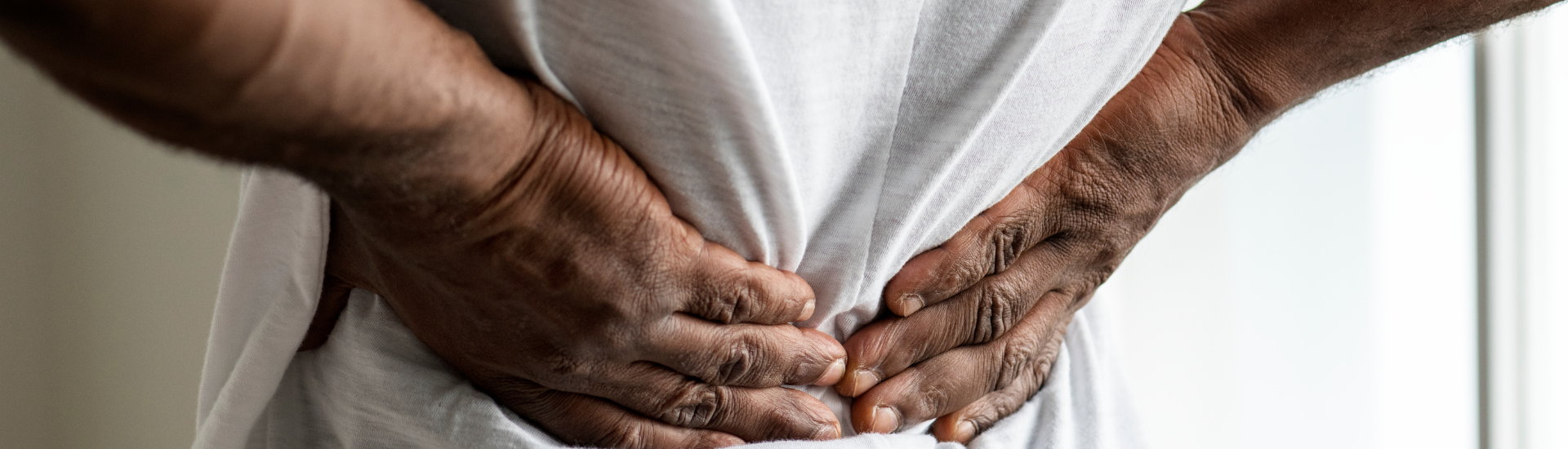
It usually begins with something that feels manageable: a stiff back when lifting, knee pain on the stairs or a shoulder strain that’s more noticeable at the end of a shift.
At sea, crew members often continue working, hoping the pain will resolve itself. But when every working day involves lifting, bending, climbing or prolonged standing, a minor problem can become progressively harder to ignore.
By the time the crew member asks for help, the condition may be impacting their mobility and ability to work safely, placing them – and the whole ship – at risk.
A Risk Built Into Shipboard Work
Musculoskeletal disorders affect the muscles, bones, joints and surrounding connective tissue. They include strains, sprains, low-back pain, sciatica, osteoarthritis and other conditions that restrict movement and function.
The physical demands of maritime work place crews at heightened risk. Repetitive lifting, pushing and pulling equipment, awkward working positions, prolonged standing and constant exposure to vessel motion can all contribute to musculoskeletal strain. Rather than emerging from a single incident, these issues often develop gradually through repeated stress, insufficient recovery time or an existing problem that was never fully addressed.
This makes musculoskeletal health more than a clinical concern. When a crew member can no longer perform their role safely, the effects extend to staffing continuity, workload distribution and vessel operations.
What the Data Tells Us
A decade-long study of 924 medical repatriations among Filipino seafarers found that musculoskeletal conditions accounted for 18.4% of cases, second only to injury and trauma. Low-back pain was the dominant musculoskeletal complaint.
This reflects a wider global challenge. The World Health Organization identifies low-back pain as the leading cause of disability worldwide, with significant consequences for mobility, participation and work productivity.
VIKAND’s OneHealth data reveals the scale of the issue across commercial maritime operations:
- Musculoskeletal and orthopaedic conditions represented 13% of all clinical encounters, making them the largest clinical category
- They accounted for 28% of all repatriations and 17% of signed-off cases
- Low-back and lumbosacral disorders represented 60% of musculoskeletal repatriations
- 84% of musculoskeletal cases involved crew members aged 30–49
These are often seafarers in the most physically active years of their careers, performing roles that depend on strength, mobility and endurance.
One Condition, Two Different Outcomes
A musculoskeletal condition does not need to be a medical emergency to make continued service onboard impractical.
Repatriated cases often involve persistent or recurring pain, reduced mobility or symptoms that cannot be fully investigated at sea. The crew member may require diagnostic imaging, specialist assessment, rehabilitation or a procedure that is not available onboard.
Signed-off cases are generally stable, but not fully resolved. While symptoms may have improved, the crew member remains unable to perform their normal duties safely and treatment must therefore continue ashore.
In both situations, the clinical question goes beyond whether someone is medically stable. The team must determine whether the crew member can safely fulfil the physical requirements of their role.
Why Crew Members Wait
Musculoskeletal symptoms are easy to minimise. Crew members with pain may keep it quiet because they expect it to pass, they worry about letting down colleagues down or fear reporting it will affect their fitness-for-duty status.
However, continuing to work through pain can quickly exacerbate an existing condition. By the time one seeks support, what might have been managed conservatively may require a longer recovery or shoreside intervention.
This is why reporting culture matters. Crew members need to understand that asking for help does not automatically lead to being removed from duty.
In many cases, early reporting creates the best opportunity to remain onboard.
How Telehealth Changes the Equation
OneHealth by VIKAND gives crew members rapid access to clinical assessment without waiting for the next port call. Through telehealth consultations, clinicians can:
- Evaluate symptoms
- Assess functional limitations
- Identify neurological or other red-flag features
- Review work-related factors that may be contributing to the condition
With this information, they can distinguish between cases that are manageable on board and those that require shoreside diagnostic and treatment support.
Across VIKAND’s data, 72% of musculoskeletal cases were successfully treated onboard, allowing crew members to return to fit-for-work status.
Ongoing follow-up also helps clinicians monitor recovery, adjust management plans and make better-informed fitness-for-duty decisions. Higher-risk cases can always be escalated, but avoiding unnecessary disembarkations for crew members with treatable conditions saves operators significant time and money.
Prevention Starts Before Pain Becomes Disabling
Not every musculoskeletal condition can be prevented, but operators can reduce the risk of common symptoms becoming serious operational problems.
Ergonomic assessments, safe lifting practices, task rotation, stretching and strengthening programmes can all help reduce physical strain. These measures should be supported by a culture that encourages crew members to report discomfort early.
The most effective approach combines prevention with rapid access to care, and recognises that musculoskeletal health is about protecting mobility, preserving workforce continuity and helping seafarers remain healthy throughout their careers.
Shareable Insights
Musculoskeletal and orthopaedic conditions accounted for 28% of all repatriations in VIKAND’s OneHealth data – more than any other clinical category.
Low-back and lumbosacral disorders represented 60% of musculoskeletal repatriations.
Reporting pain early does not automatically lead to repatriation. It creates the opportunity to prevent it.
Across VIKAND’s data, 72% of musculoskeletal cases were successfully treated onboard, allowing crew members to return to fit-for-work status.