
When "I'm Fine' Just Isn't Fine. Reflecting on the human side of maritime medicine, by Dr. Emily F. Luza
Somewhere between urgent medical care, emergency drills, reports and the routines of daily life at sea, there are moments that have little to do with treatment – but everything to do with being human.
Life at sea is fast-paced and unpredictable. Every day brings new challenges, unfamiliar faces and decisions that must often be made with limited resources and miles of ocean between the ship and the nearest hospital. 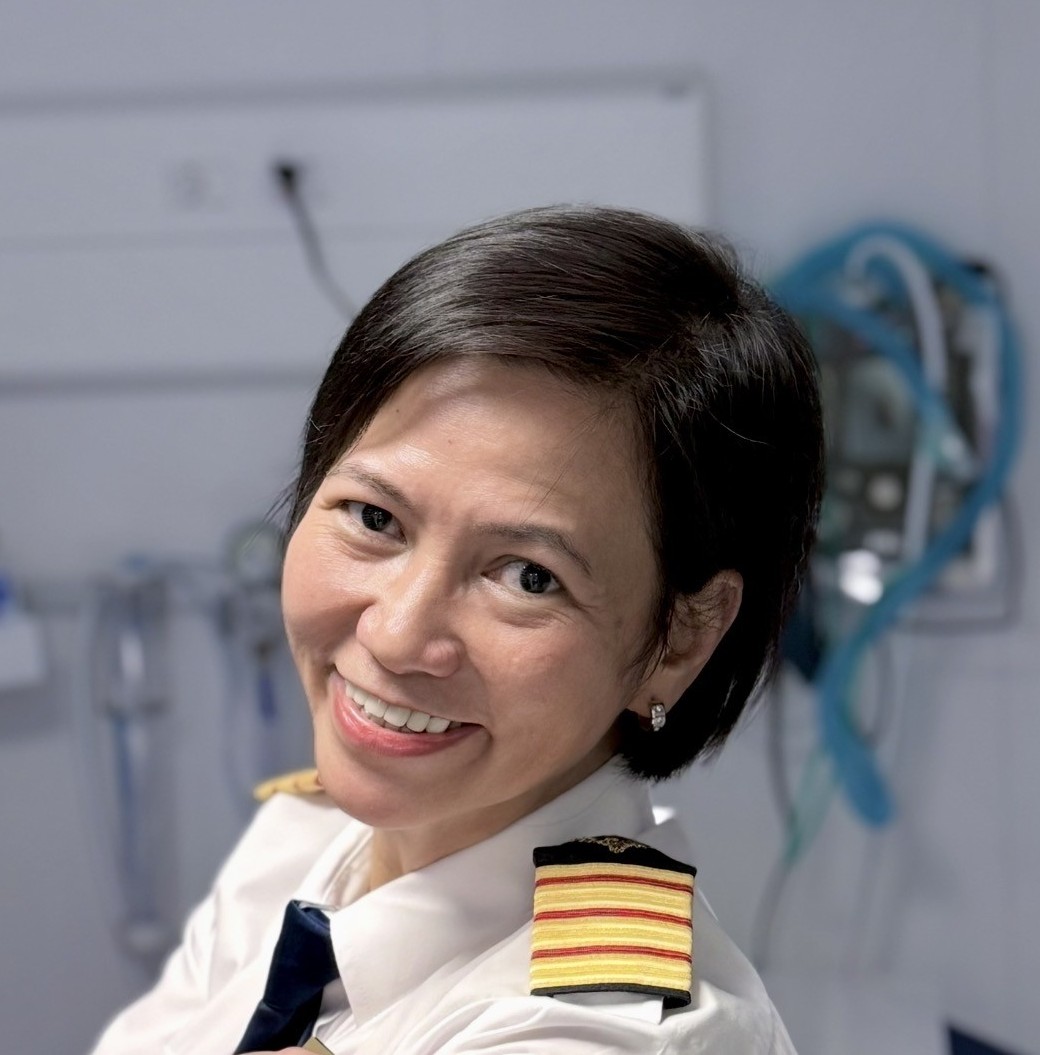
Within that constant rhythm, it is easy to focus on diagnoses, procedures and protocols. Yet some of the most meaningful moments are not defined by a medical chart or clinical outcome. They are found in quiet conversations, unexpected acts of kindness and difficult discussions that remind us why it’s so important to listen.
One of the greatest misconceptions about shipboard medicine is that making the diagnosis is the biggest challenge. The diagnosis is only the beginning. The real challenge is deciding what comes next.
One quiet day at sea, a guest came into the Medical Centre complaining of chest discomfort. She looked remarkably well.
“I think I’m fine,” she said with a reassuring smile. “It’s probably just indigestion.”
As doctors, we’ve all heard those words before. Sometimes they are true. Sometimes not. Her examination was reassuring, but something did not quite fit. We performed an ECG and additional tests while continuing to observe her closely.
The results told a different story. What she thought was indigestion was a serious cardiac condition requiring specialist care beyond what we could safely provide onboard. On land, the next step might have been relatively straightforward. At sea, it was not.
With the patient stabilised, our team worked closely with shoreside medical personnel while the vessel command assessed our location and itinerary to identify the earliest opportunity for a safe medical disembarkation.
At sea, patient care is rarely the responsibility of one person. Clinical priorities and operational realities must come together in pursuit of the same goal – safely getting the patient to definitive care.
For one night, our small intensive care room was the safest place for her to be. By early morning, she looked brighter. She smiled and felt well enough to leave the Medical Centre and continue enjoying her expedition voyage.
“I feel fine now.”
This time, those words carried different weight. Feeling better did not mean the danger had passed. It meant the treatment was working. We sat down with her and explained that although she felt much better, her heart still required specialist care ashore. It was not an easy conversation.
This was not simply another cruise. She had joined an expedition voyage – the kind of journey many guests spend years dreaming about and months meticulously planning. Asking her to leave the ship meant bringing a long-awaited adventure to an unexpected end.
For a few moments, there was silence. Like anyone in her position, she was understandably disappointed. But after we talked through the reasons together, she nodded.
Later that day, she was safely transferred ashore to receive the specialist treatment she needed. Before leaving on a stretcher, she smiled, thanked the team and wished us a safe voyage.
I think about that moment often.
One of the greatest privileges of practising medicine at sea is not that we can do everything. It is knowing what we can do, recognising what we cannot and ensuring our patients reach the people who can help them before it’s too late.
Medicine at sea is about more than just treating illness. It is about judgement, teamwork and communication. Sometimes, it’s about having the courage to tell someone who feels perfectly well that they are anything but.
Those conversations rarely make headlines. They may appear in the medical chart only as clinical details. But they stay with us long after the voyage ends.
Dr. Emily F. Luza, Ship physician