
Cardiovascular disease is one of the most significant health risks facing the global maritime workforce, but the groundwork for a heart attack is usually laid over many years.
This presents a critical opportunity for prevention.
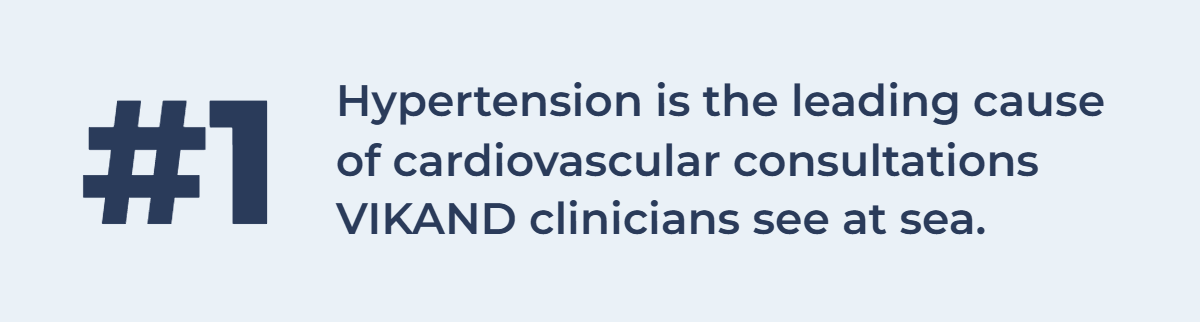
Clinical data from VIKAND shows that hypertension accounted for the majority of cardiovascular consultations. Rather than focusing solely on emergency response, operators have an opportunity to reduce risk through early screening, proactive disease management and greater continuity of care.
Here are 8 ways to strengthen heart health at sea:
- Improve cardiovascular screening
Early intervention can reduce the risk of serious cardiovascular events, and PEMEs and routine medical assessments are still the first opportunity to identify risk.
Screenings should focus on:
- Elevated blood pressure
- Diabetes mellitus
- Hyperlipidaemia
- Obesity
- Smoking history
- Family history of cardiovascular disease
- Strengthen chronic disease management
Most cardiovascular consultations involved hypertension, reinforcing the importance of ongoing monitoring rather than episodic treatment.
Key measures include:
- Regular blood pressure monitoring
- Follow-up consultations
- Medication compliance reviews
- Lifestyle counselling
- Encourage medication adherence
Crew with diagnosed cardiovascular disease must understand the importance of taking prescribed medications consistently, even when symptoms are absent.
This means making sure they embark with sufficient medication for their contract, plus additional supplies for when contract extensions or operational delays interrupt treatment.
- Promote cardiovascular awareness
Crew education on heart health should reinforce the risks associated with poorly controlled cardiovascular disease, including:
- Stroke
- Heart attack
- Heart failure
- Arrhythmias
- Kidney disease
- Sudden medical emergencies
- Support healthier lifestyles
Lifestyle modification remains fundamental to cardiovascular disease prevention.
Wellness initiatives should continue to encourage:
- Healthy nutrition and reduced salt intake
- Regular physical activity
- Weight management
- Smoking cessation
- Adequate sleep
- Stress management
- Maintain emergency preparedness
Appropriate cardiovascular emergency medications should remain readily available onboard in accordance with vessel medical inventories and applicable regulations, ensuring timely treatment while further medical support or evacuation is arranged.
- Refer high-risk cases promptly
Crew presenting with uncontrolled hypertension, abnormal ECG findings, suspected cardiac chest pain, arrhythmias or signs of cardiovascular instability should continue to receive timely shoreside specialist assessment.
- Use telehealth to support continuity of care
Telehealth continues to play an important role in:
- Blood pressure review
- Medication reconciliation
- Treatment monitoring
- Cardiovascular risk assessment
- Determining the need for shoreside referral
Strengthen your fleet’s approach to cardiovascular health
VIKAND combines preventive medicine, telehealth support and clinical governance to help operators identify risk earlier, improve chronic disease management and support healthier crews throughout every voyage.