
Case Study: Using Telehealth to Manage a Traumatic Finger Amputation at Sea
Overview
A 49-year-old male seafarer with no known comorbidities sustained a traumatic amputation of the distal thumb while operating equipment onboard a cargo vessel. Poor weather conditions and restricted port access meant that hospital transfer was not possible for several days.
Despite isolation and limited onboard resources, the OneHealth by VIKAND telehealth team provided expert, real-time medical management support.
Through continuous coordination between telehealth clinicians and Vessel Command, the patient received structured, evidence-based care that prevented complications and ensured clinical stability until shoreside treatment was available.
Initial presentation
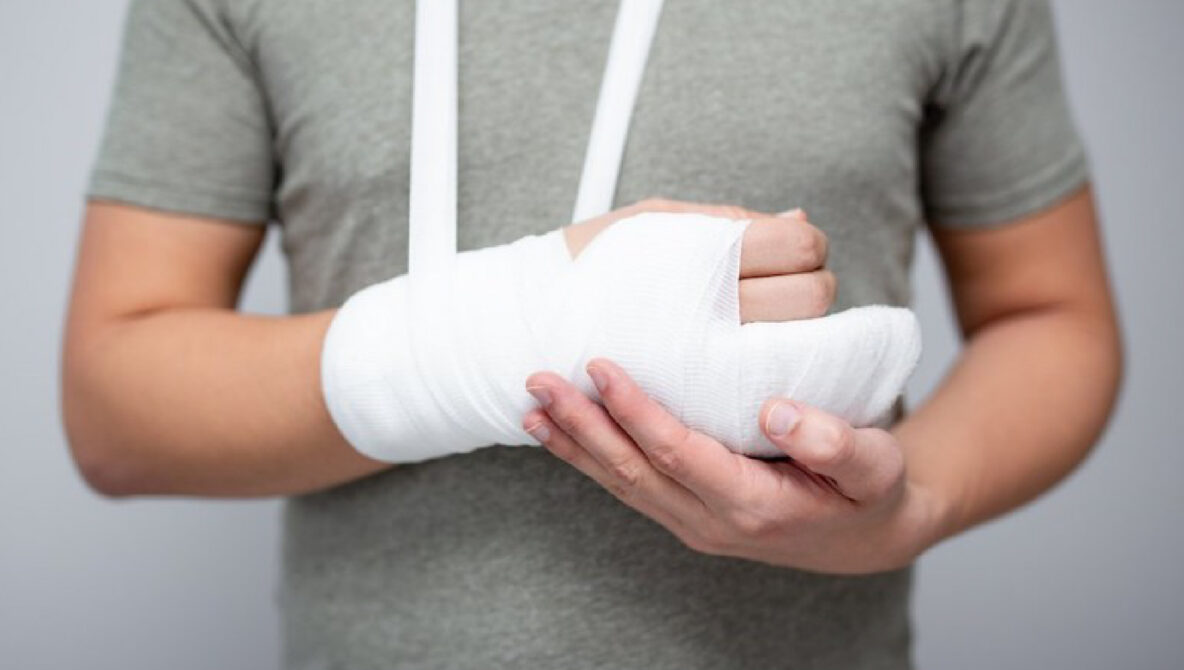
The injury involved a complete amputation of the distal phalanx of the thumb, with exposed proximal bone. The amputated segment was not recovered. Crew members administered immediate first aid. Bleeding was controlled and the wound was appropriately dressed.
At the time of telehealth consultation, the patient was conscious and coherent, haemodynamically stable and within normal vital sign parameters. Pain was manageable with oral medication and there was no active bleeding.
Telehealth-guided management
Under direct guidance from the OneHealth telemedicine team, a comprehensive onboard treatment plan was implemented. The focus was infection prevention, structured wound care and effective pain control. This included:
- Antibiotic therapy: Ciprofloxacin and Metronidazole to reduce infection risk.
- Tetanus prophylaxis: Administration of tetanus toxoid and immunoglobulin.
- Analgesia: Ibuprofen and Paracetamol for pain management.
- Wound care: Twice daily dressing changes and wound cleansing.
- Monitoring: Regular observations of blood pressure, temperature, oxygen saturation and pain score.
The telehealth team reviewed clinical updates twice daily, adjusting guidance as required and maintaining close oversight of wound status and symptom progression.
Coordination and communication
Throughout the delay in port access, Vessel Command maintained structured communication with the OneHealth team to ensure consistent adherence to medical instructions. Regular updates confirmed no recurrence of bleeding, no clinical signs of infection, stable vital signs and effective pain control.
Disciplined communication ensured that risk was actively managed rather than passively observed.
Outcome
After several days of telehealth-guided care, the vessel received clearance for port entry. The patient was safely disembarked and transferred to a shore-based hospital, where he remained clinically stable and free from infection and other complications. Following specialist assessment, he was discharged and declared fit to travel home for continued recovery.
Key takeaways
This case illustrates something broader than a single successful outcome: it demonstrates that complex traumatic injuries at sea can be managed safely and systematically when telehealth infrastructure, clinical governance and onboard coordination work in concert.
OneHealth by VIKAND Programme is designed precisely for these moments – where distance is fixed but the quality of care does not have to be. Telehealth narrows the gap between distance and access. In maritime medicine, that gap can mean everything.