Skip to content

Category: <span>Insights</span>

Meet Your ESG Goals at Sea With a Total Healthcare Solution

As with many other sectors of the global economy, maritime has its own Environmental, Social and Governance (ESG) goals aimed at increasing sustainability and minimising its negative impact on both people and the planet. ESG goals for maritime operators include initiatives such as decarbonising operations, increasing regulatory compliance and prioritising crew wellbeing. However, the social…

Why is AI Poised to Transform Maritime Healthcare

On July 30th, VIKAND hosted an insightful webinar to explore the transformative power of Artificial Intelligence (AI) in maritime healthcare. The discussion was led by Peter Hult, CEO, and Ronald Spithout, Managing Director of OneHealth. Together, they explored how AI is becoming integral to VIKAND’s broader maritime healthcare strategy to enhance efficiency, safety and the…

It’s Time for Seafarer Mental Health Exams to Evolve

In the past several years, there has been a marked rise in seafarers failing out of pre-employment medical examinations (PEMEs) for reasons related to mental health. In this article, we’re going to examine this increase in more detail, including the kinds of conditions that preclude candidates from maritime work, and make a case for adjusting…

Better Capex Planning for the Cruise Industry

For cruise operators, mapping out long-term capital expenditures (capex) on healthcare is just one segment of their overall capex planning needs. Healthcare capex planning is crucial to maintaining adequate onboard staff, facilities, medicines, supplies, medical equipment and more, and for ensuring compliance with global health and safety regulations. Capex planning also plays a critical role…

Top 3 FAQs for VIKAND’s Guest Medical Screening Service for Polar Expedition Cruising

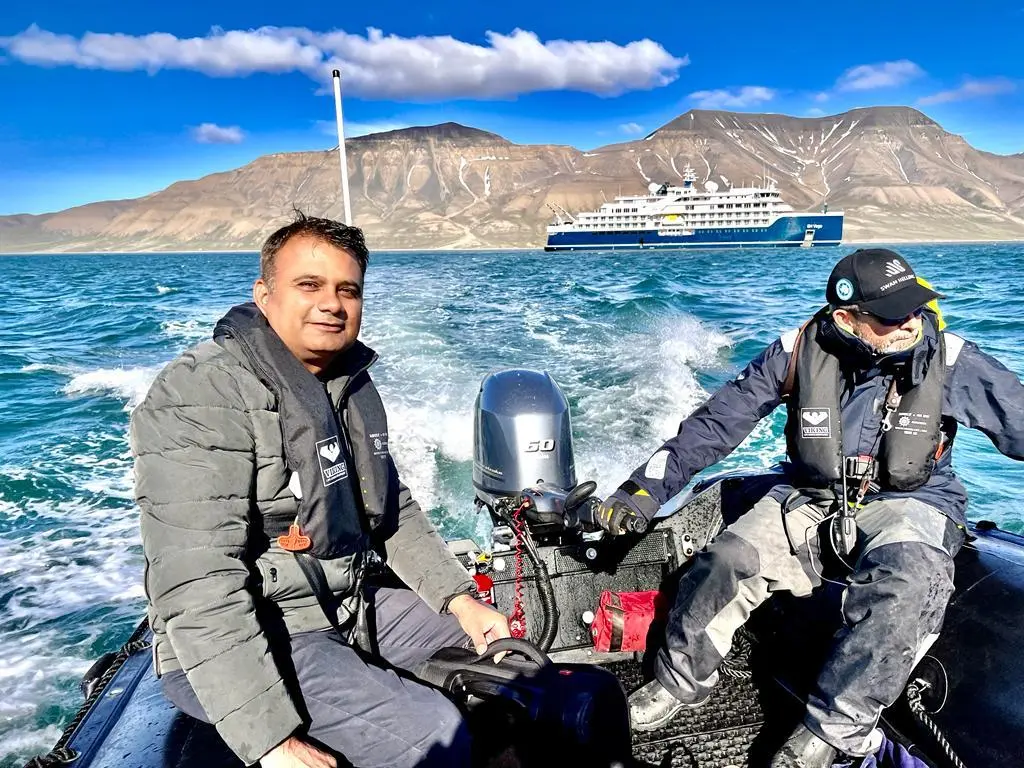
Antarctic cruise season is here! For travelers and operators alike, polar expedition cruises offer some of the most adventurous and unforgettable voyages on earth. To ensure the health and well-being of your guests as they prepare to explore the world’s most remote landscapes, it is essential for them to undergo a pre-trip medical screening. In…

New for 2026: Is Your Fleet Ready to Deliver Ultrasounds?

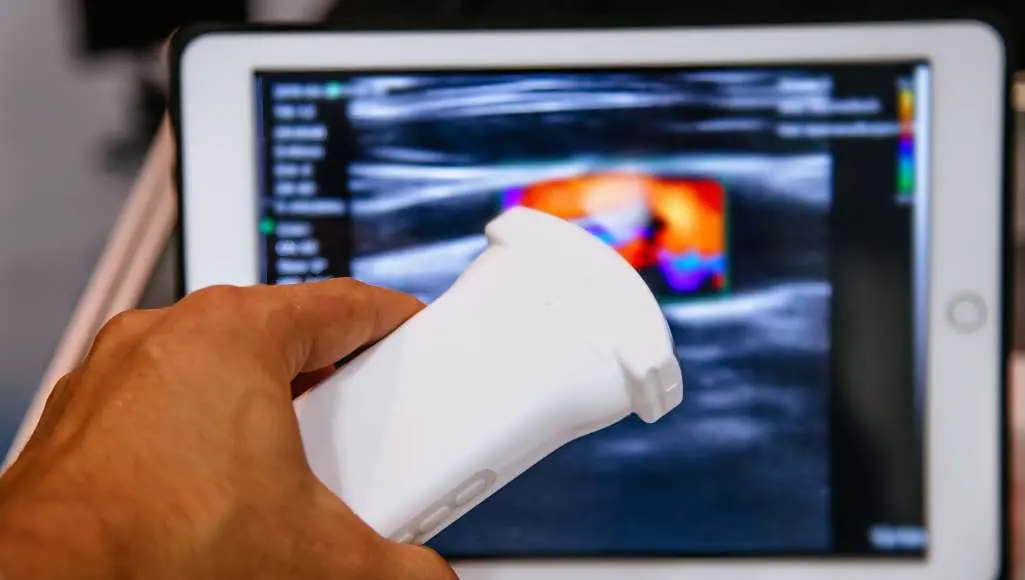
In 2026, new regulations will take effect that require cruise operators to have at least one physician onboard trained in Point of Care Ultrasound (PoCUS). Onboard doctors should, at a minimum, be trained in basic ultrasound physics, knobology, vascular access procedural guidance, extended focused assessment with sonography in trauma (EFAST), and deep vein thrombosis (DVT).…

Fatigue Support is Critical to Safe Vessel Operations

There is a critical need for fatigue support throughout the global maritime industry. Sleep and circadian rhythms influence human performance, impulsivity, decision-making, learning, memory, alertness, and overall physical and mental health. Fatigue Can Lead to Disaster If we look back in history, the demand for humans to perform critical tasks at adverse circadian phases (i.e.…

From Ship to Shore: The Crucial Role of VIKAND’s Biomedical Engineers

The career possibilities for biomedical engineers are no longer constrained to land. Biomedical field service engineers are also needed on the world’s oceans, where health clinics aboard cruise ships carry a variety of complex, sensitive medical devices to help diagnose and treat people at sea. VIKAND, the leading provider of total healthcare solutions at sea,…

The Hidden Costs of Illness: Chronic Disease Management in the Maritime Sector

According to the World Health Organization, noncommunicable diseases and health conditions such as cardiovascular diseases, chronic respiratory diseases and diabetes account for nearly three-quarters of deaths worldwide. Some 77% of these deaths occur in low to middle income countries, where heightened risk factors, such as tobacco and alcohol use, lack of exercise and an unhealthy…

8 Ways to Practice Self Care at Sea

Self-care has been clinically proven to reduce anxiety, depression, stress, and increase well-being. It also plays an important role in building strong relationships with our fellow crew members, guests, and colleagues. Here are eight ways we prioritise self-care onboard. 1. Explore Different Destinations Our medical team ensures that each member gets to enjoy shore excursions…