
Obligation Meets Opportunity on World Maritime Day
By Ronald Spithout, VIKAND Managing Director
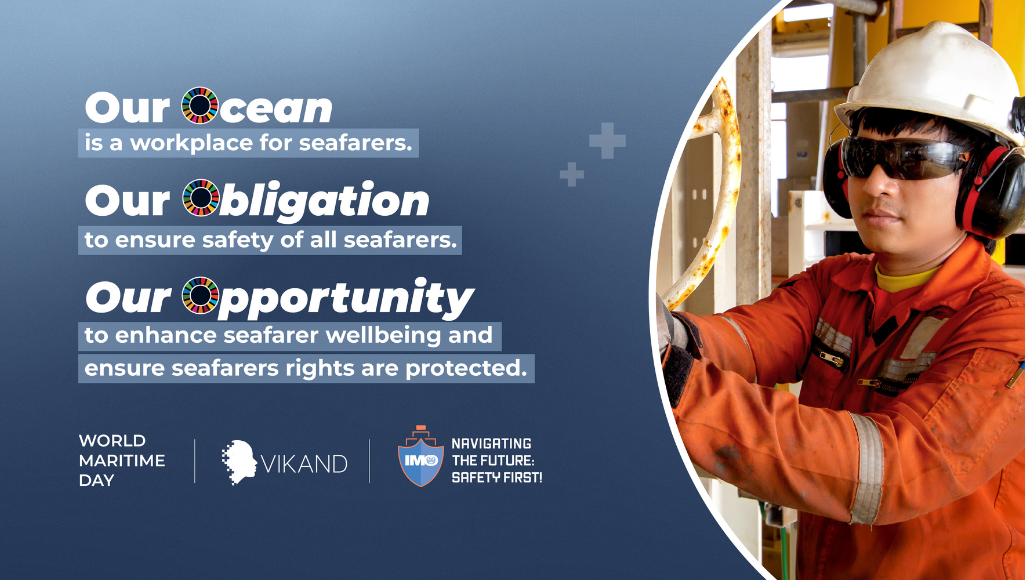
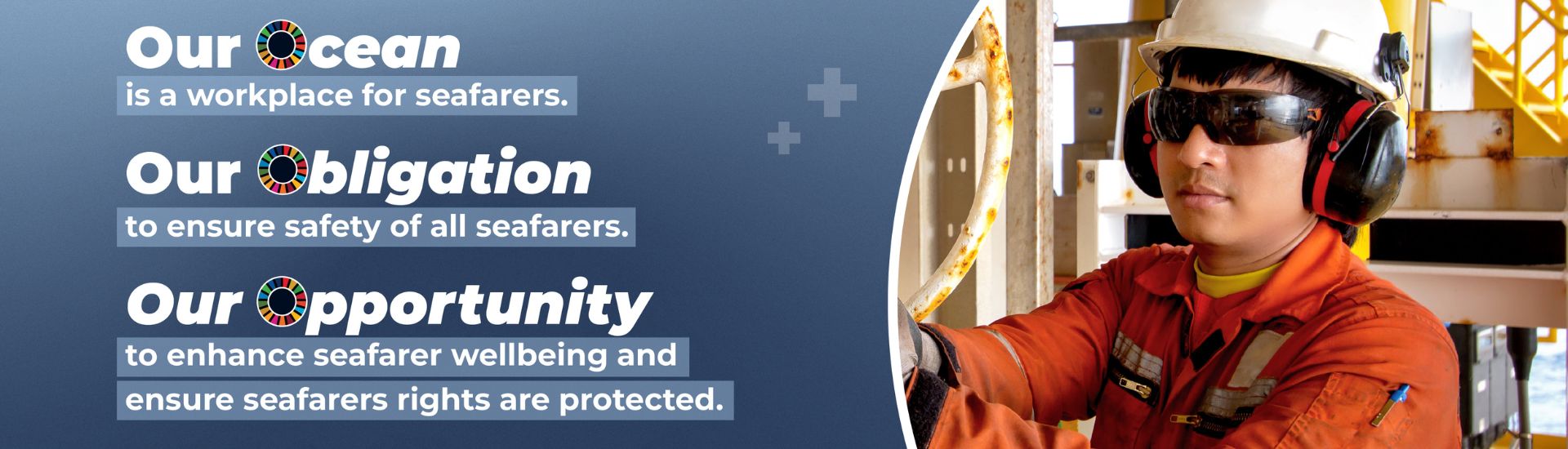
This year’s World Maritime Day (WMD) theme is “Our Ocean, Our Obligation, Our Opportunity.” While it might be tempting to dismiss such industry observances as mere marketing, this one could not be more relevant to the realities facing shipping today.
The ocean’s vital role in modern economies cannot be overstated. According to the International Maritime Organization (IMO), more than 80 percent of global trade relies on maritime transport.
The ocean is both a shared resource and a shared imperative. This year’s WMD theme reflects the fact that environmental stewardship is inextricably linked to economic viability, and shipping has a clear duty to safeguard marine ecosystems.
Yet the message extends further. It demands recognition of our responsibility to ensure human sustainability at sea. As the ocean must be preserved, so too must the people who work on it. This means integrating proactive healthcare into maritime operations, including preventive care, mental health support and resilience-building technologies. These investments serve to protect crew wellbeing, elevate safety and strengthen the industry’s long-term appeal as a career destination.
Protecting the human element is not altruism but obligation, and in truth a matter of survival. There is no value in keeping the ocean healthy and navigable if people are no longer willing to work at sea.
By investing in a well-supported workforce, operators not only fulfil their duty but seize the opportunity to create safer, more engaged, more productive crews. The downstream returns for operators include operational excellence, fewer disruptions, lower turnover and stronger financial performance.
In an era defined by decarbonisation, digitalisation, tightening regulations and geopolitical volatility, crew welfare can be a strategic differentiator.
“Our Ocean, Our Obligation, Our Opportunity” is a call-to-action to manage marine environments responsibly and to nurture the human capital that sustains maritime trade. Shipping companies that lean into this message will bolster their ethical standing, build operational resilience and secure a competitive edge in a transformative decade.
In this edition of Pulse, we explore what goes into creating an adaptable onboard medical centre that can meet the diverse needs of today’s fleets. We also look at last year’s OneHealth by VIKAND data, which shows that many of the most common health challenges at sea aren’t just predictable, they’re preventable. You’ll also meet Lauren Talbot and discover what it takes to manage medical services on some of the world’s largest cruise lines. And as the digital transformation accelerates across the maritime industry, VIKAND is raising awareness of the psychological toll new technologies may have on seafarers’ mental health.